Edinburgh
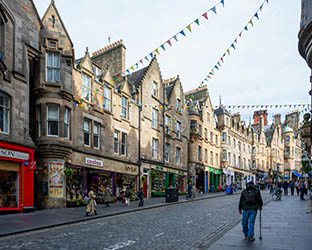
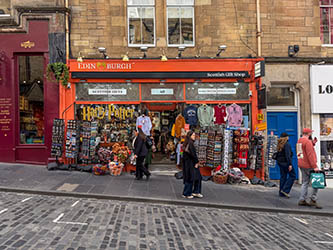
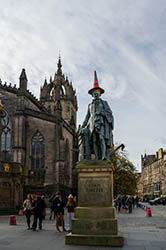
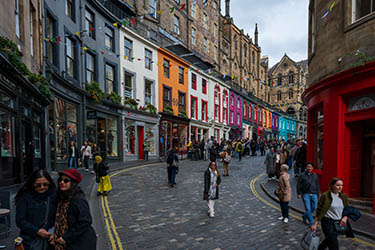
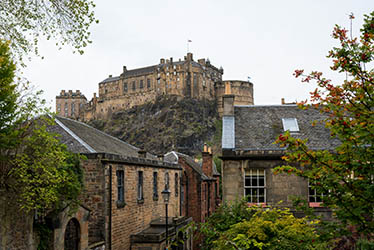
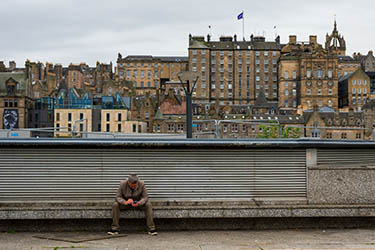
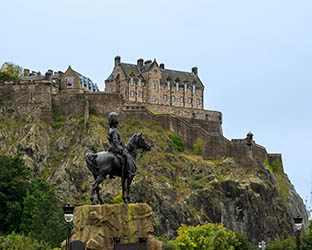
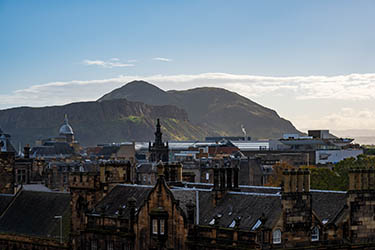
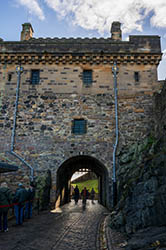
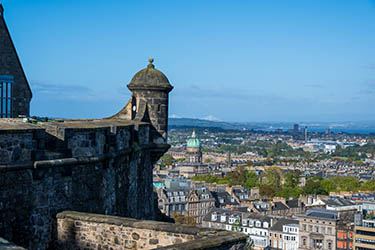
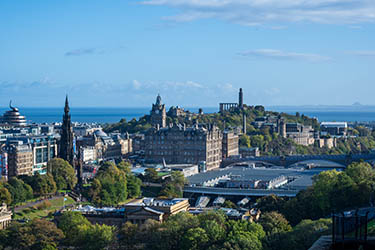
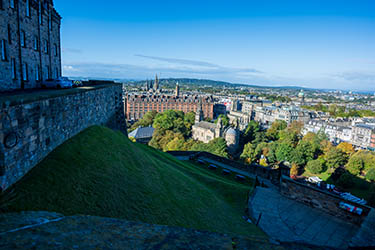
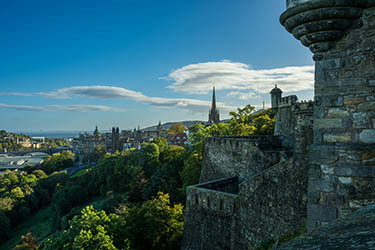
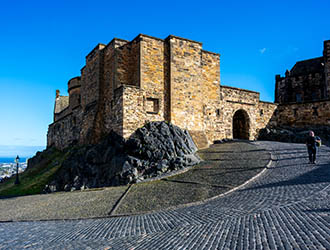
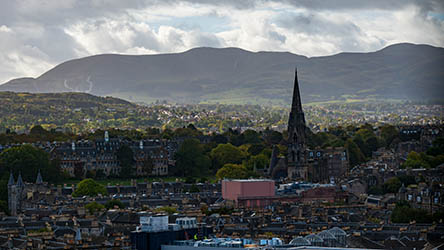
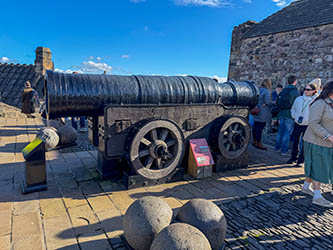
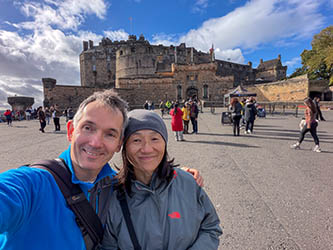
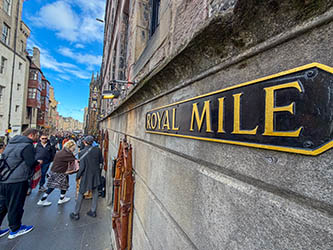
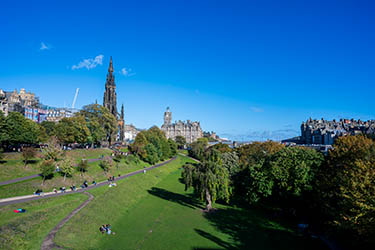
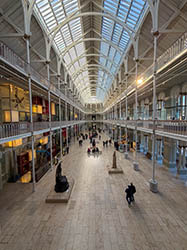
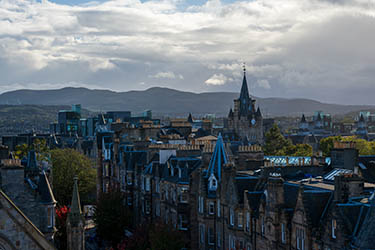
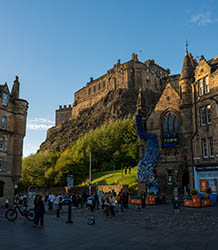
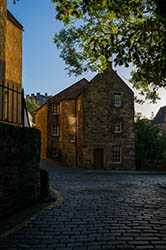
Edinburgh is the capital city of Scotland. It is located in southeast Scotland and is bounded to the north by the Firth of Forth and to the south by the Pentland Hills. Edinburgh is the second-most-populous city in Scotland (behind Glasgow) and the seventh-most-populous in the United Kingdom.








The Kelpies
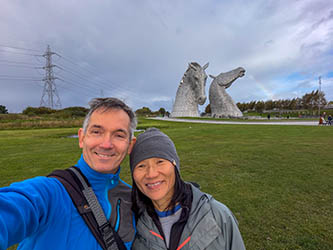
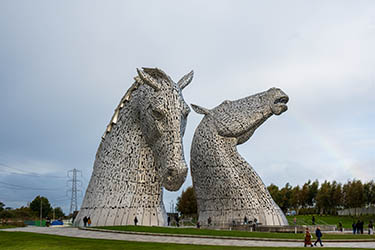
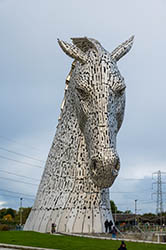
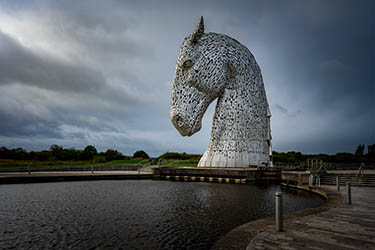
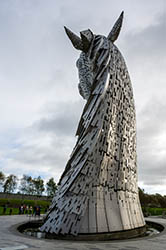
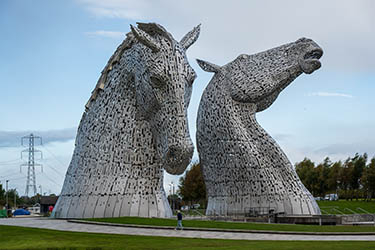
The Kelpies are a pair of monumental steel horse-heads between the Scottish towns of Falkirk and Grangemouth. Each head is 30 metres high and weighs approximately 300 tonnes. The sculptures, which represent kelpies, were designed by sculptor Andy Scott and were completed in October 2013.

The Falkirk Wheel
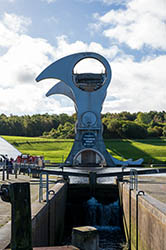
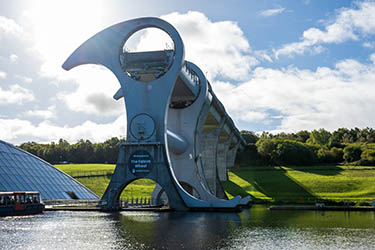
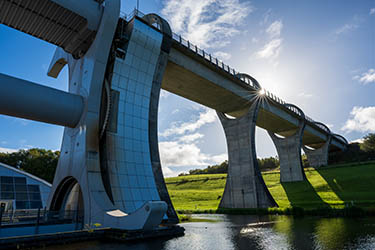
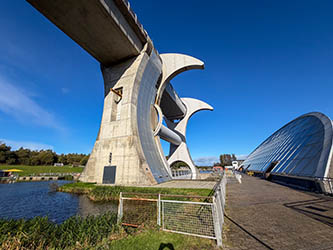
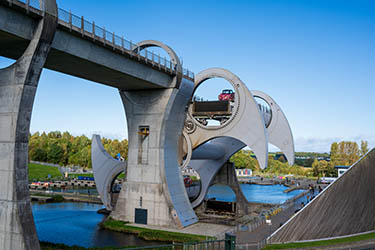
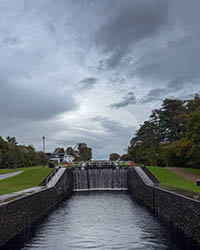
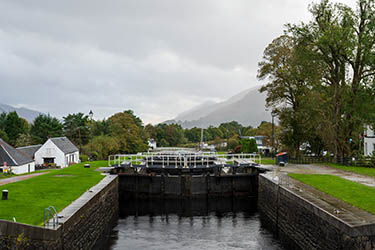
The Falkirk Wheel is a rotating boat lift in Tamfourhill, Falkirk, in central Scotland, connecting the Forth and Clyde Canal with the Union Canal. It opened in 2002 as part of the Millennium Link project, reconnecting the two canals for the first time since the 1930s.
Stirling Castle
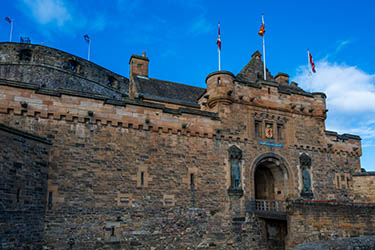
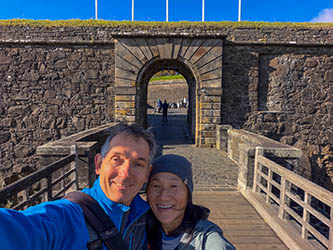
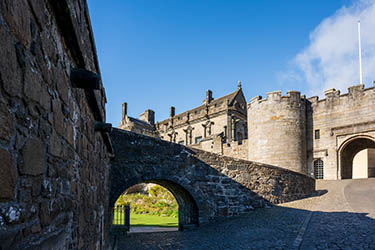
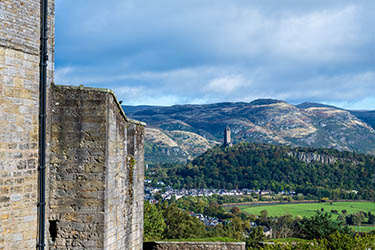
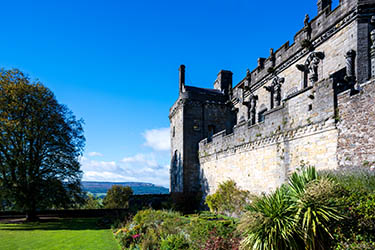
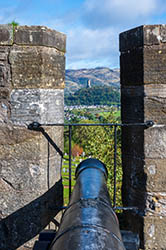
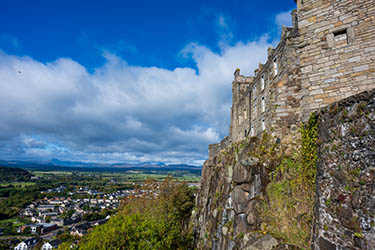
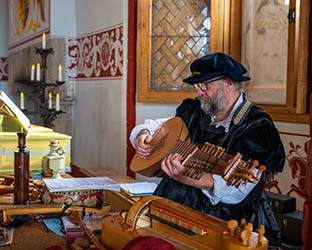
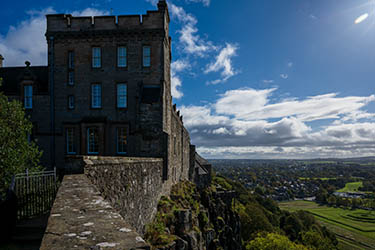
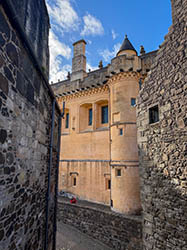
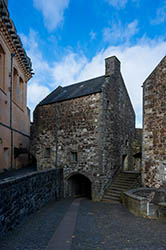
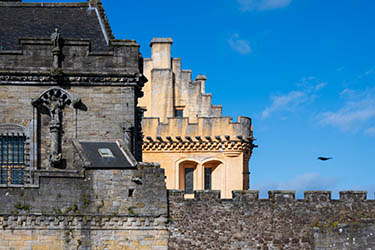
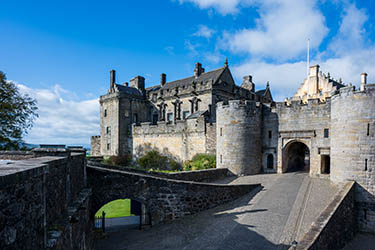
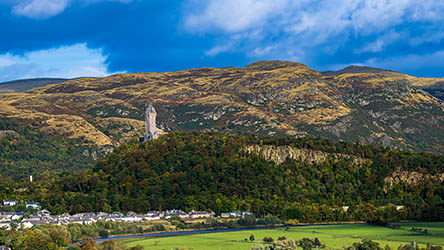
Stirling Castle is located in Stirling, is one of the largest and most historically and architecturally important castles in Scotland. The castle sits atop an intrusive crag, which forms part of the Stirling Sill geological formation. It is surrounded on three sides by steep cliffs, giving it a strong defensive position. Its strategic location, guarding what was, until the 1890s, the farthest downstream crossing of the River Forth, has made it an important fortification in the region from the earliest times. Most of the principal buildings of the castle date from the fifteenth and sixteenth centuries.

Pitlochry
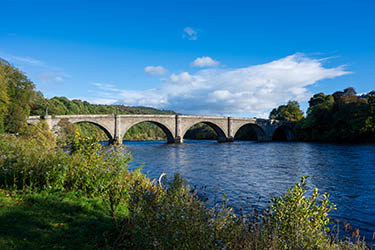
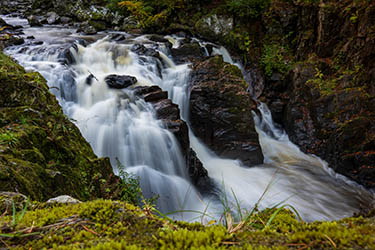
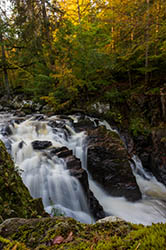
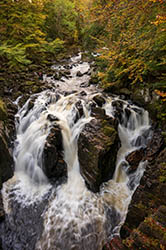
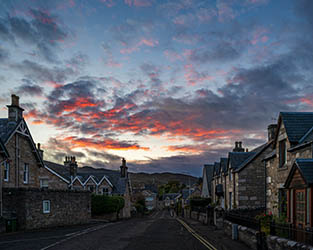
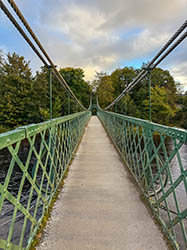
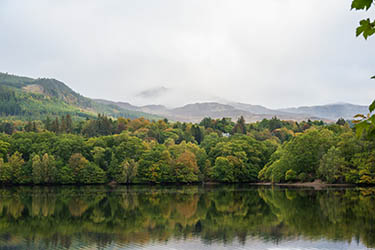
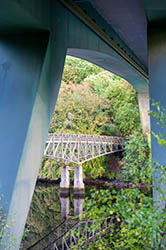
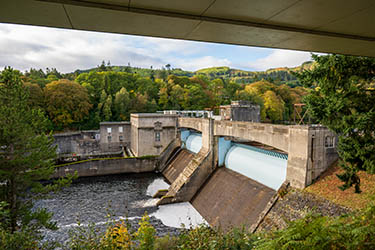
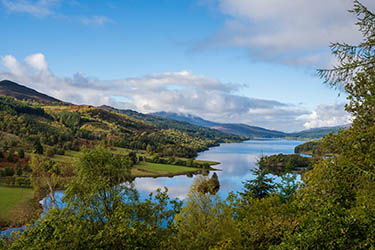
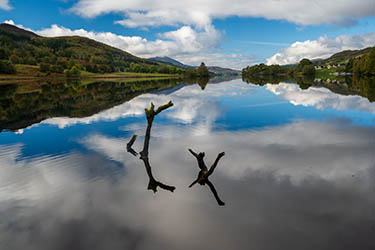
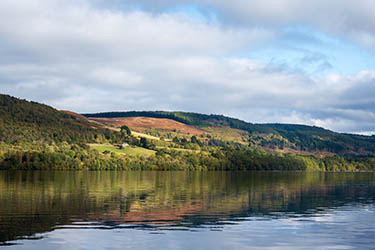
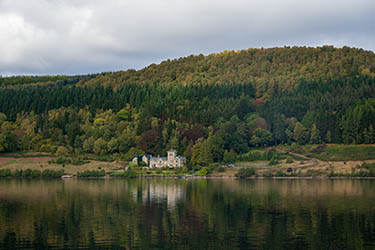
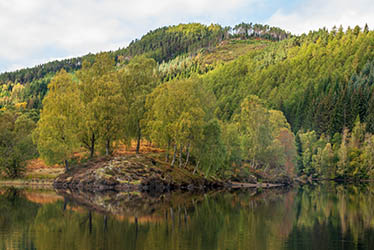
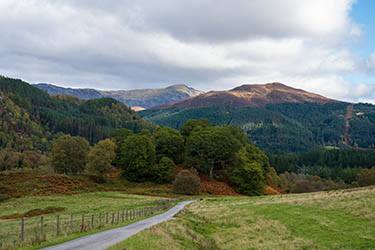
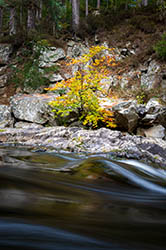
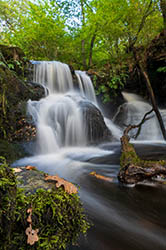
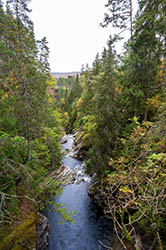
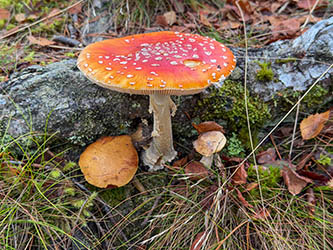
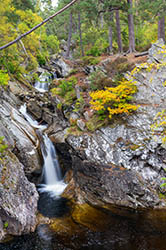
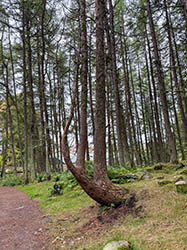
Pitlochry is a historic market town in the Perth and Kinross council area of Scotland, lying on the River Tummel. It is historically in the county of Perthshire.
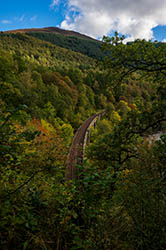
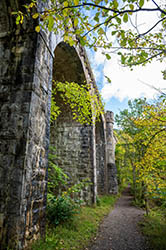
It is largely a Victorian town, which developed into a tourist resort after Queen Victoria and Prince Albert visited the area in 1842 and bought a highland estate at Balmoral, and the arrival of the railway in 1863. It remains a popular tourist resort today and is particularly known for its Pitlochry Festival Theatre, salmon ladder and as a centre for hillwalking, surrounded by mountains such as Ben Vrackie and Schiehallion.
It is largely a Victorian town, which developed into a tourist resort after Queen Victoria and Prince Albert visited the area in 1842 and bought a highland estate at Balmoral, and the arrival of the railway in 1863. It remains a popular tourist resort today and is particularly known for its Pitlochry Festival Theatre, salmon ladder and as a centre for hillwalking, surrounded by mountains such as Ben Vrackie and Schiehallion.









Blair Castle
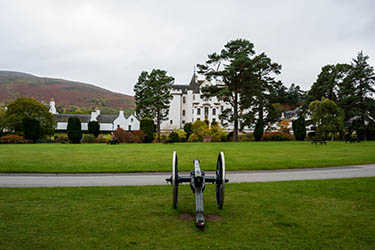
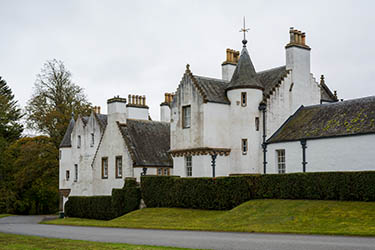
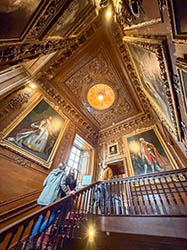
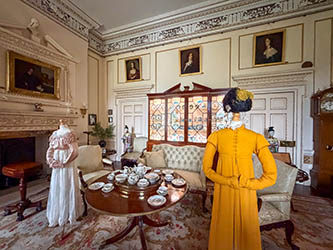
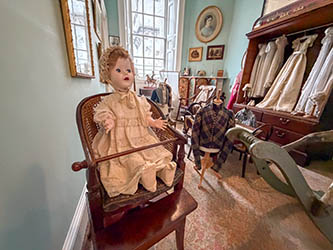
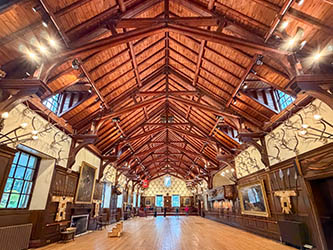
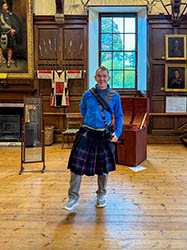
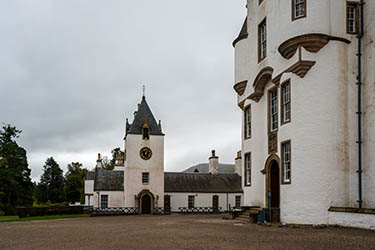
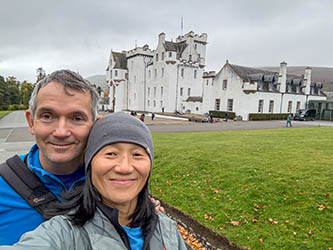
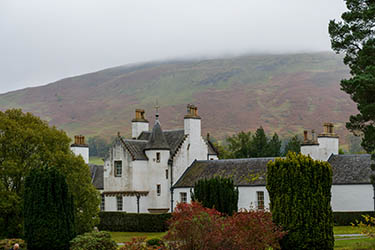
Blair Castle stands in its grounds near the village of Blair Atholl in Perthshire in Scotland. It is the ancestral home of the Clan Murray, and was historically the seat of their chief, the Duke of Atholl, though the current chief, the 12th Duke of Atholl, lives in South Africa, where he was born and raised. The castle stands in Glen Garry, and commands a strategic position on the main route (now the A9 road) through the central Scottish Highlands.




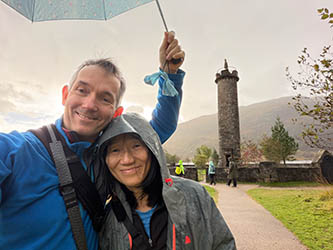
Glen Coe
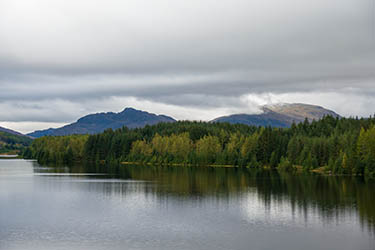
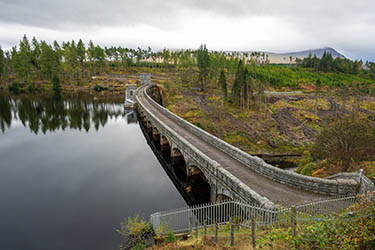
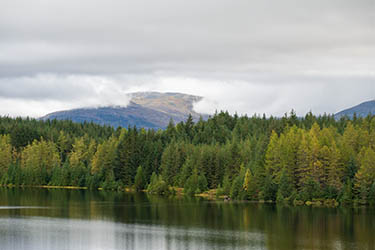
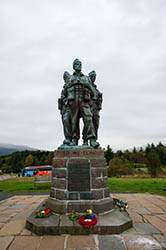
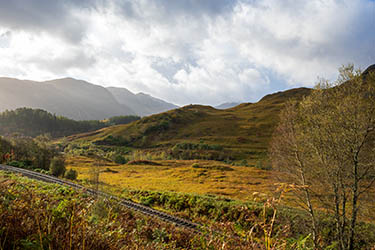
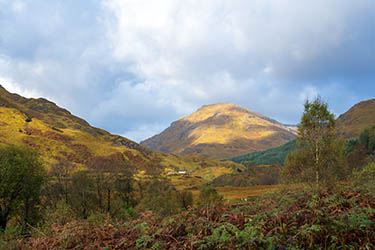
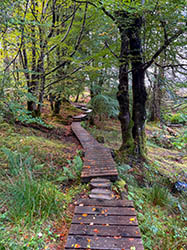
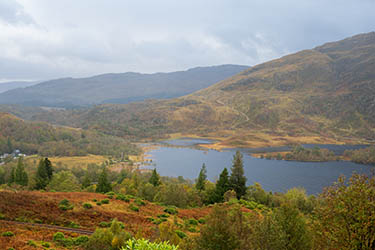
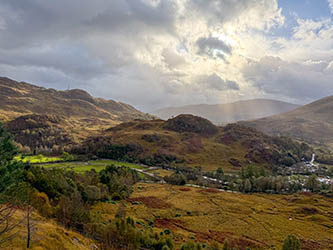
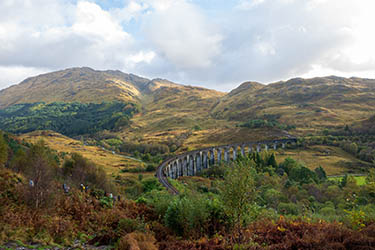
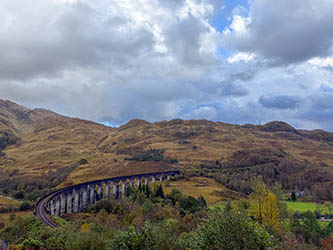
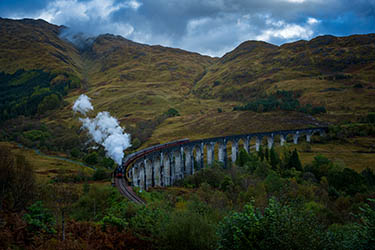
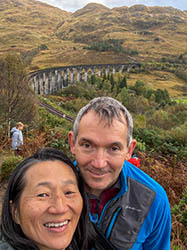
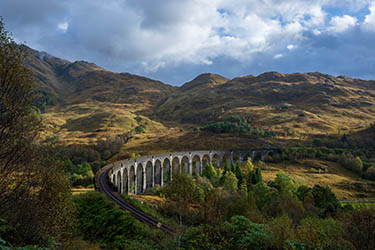
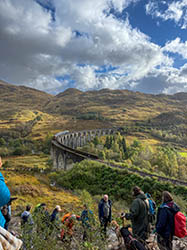
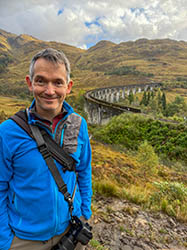
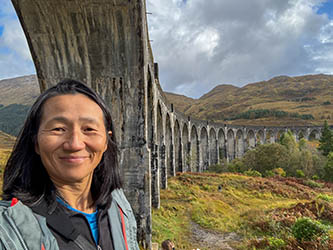
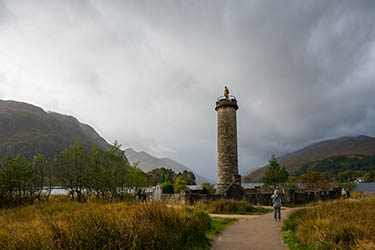
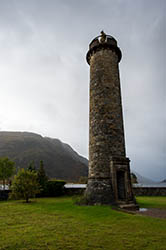
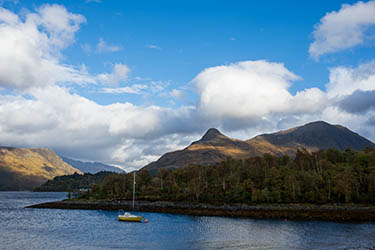
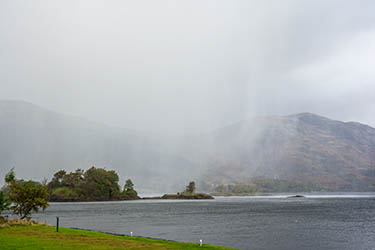
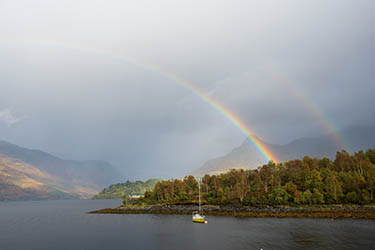
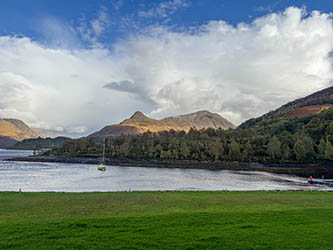
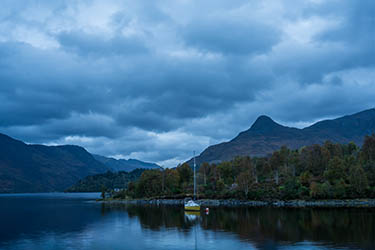
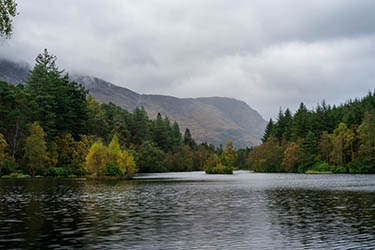
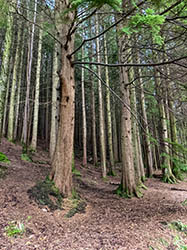
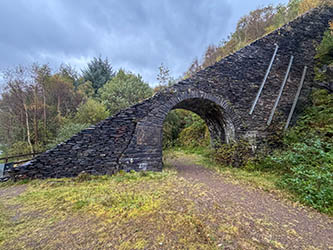
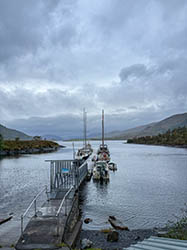
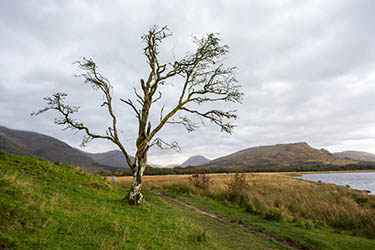
Glen Coe is a glen of glacial origins that cuts though volcanic rocks in the Highlands of Scotland. It lies in the north of the county of Argyll, close to the border with the historic province of Lochaber, within the modern council area of Highland. Glen Coe is regarded as the home of Scottish mountaineering and is popular with hillwalkers and climbers.
A 2010 review by Scottish Natural Heritage into the special qualities of Scotland's National scenic areas listed the "soaring, dramatic splendour of Glen Coe", and "the suddenness of the transition between high mountain pass and the lightly wooded strath" as being of note.
A 2010 review by Scottish Natural Heritage into the special qualities of Scotland's National scenic areas listed the "soaring, dramatic splendour of Glen Coe", and "the suddenness of the transition between high mountain pass and the lightly wooded strath" as being of note.








Oban
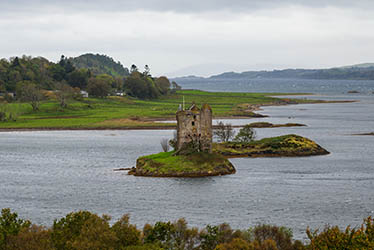
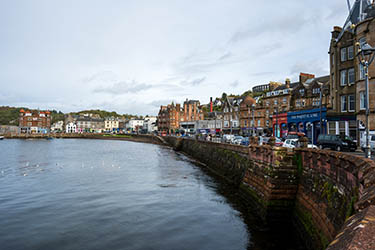
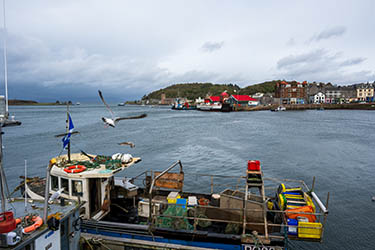
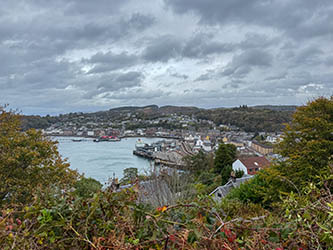
Oban is a resort town and seaport in the west of Scotland. Although small, it is the largest town between Helensburgh and Fort William. Oban has a population of 8,000 (2022), which rises to over 24,000 during the tourist season. Oban is on the Firth of Lorn. The bay forms a near-perfect horseshoe, protected by the island of Kerrera and, beyond Kerrera, the Isle of Mull.





Pollok Country Park
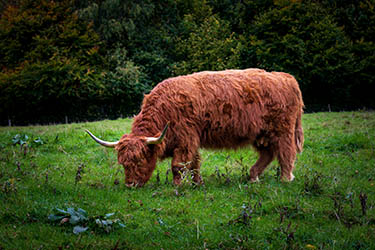
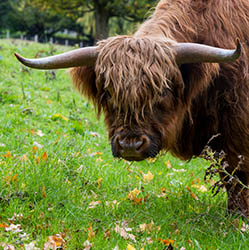
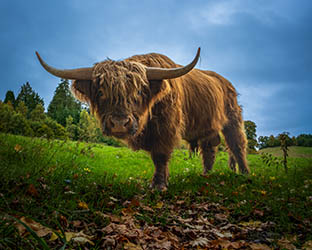
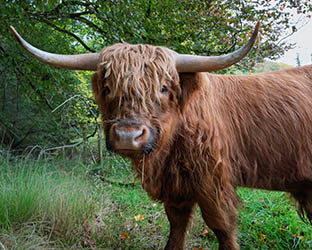
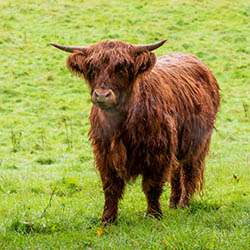
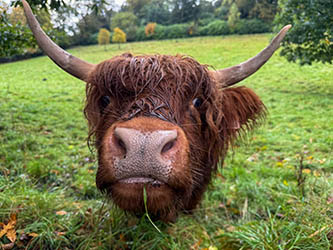
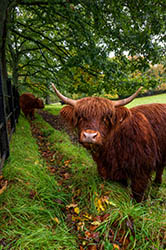
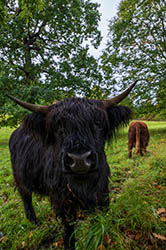
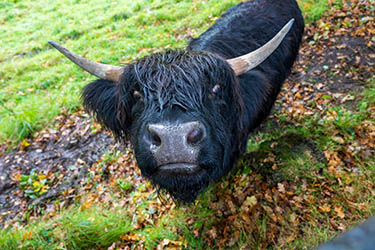
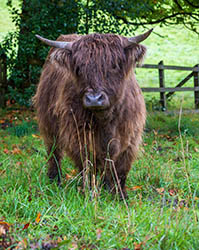
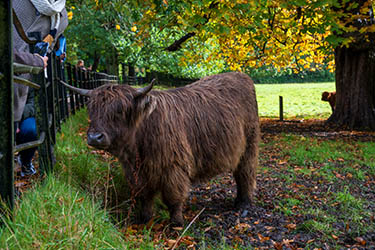
Pollok Country Park is a 146-hectare country park located between Shawlands, Crossmyloof, and Pollok in Glasgow, Scotland. In 2007, Pollok Country Park was named Britain's Best Park, and in 2008 it was named the Best Park in Europe, beating competition from parks in Italy, France, Germany, Poland and Sweden. A feature of interest is the award-winning fold of Highland cattle, which is the most accessible of this species for the majority of Scots.



Lanercost Priory
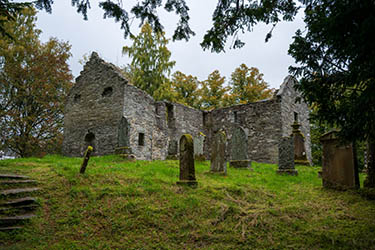
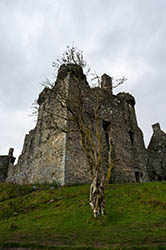
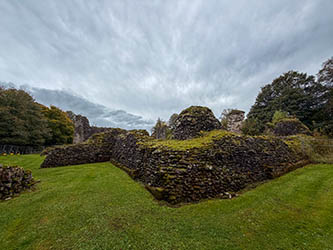
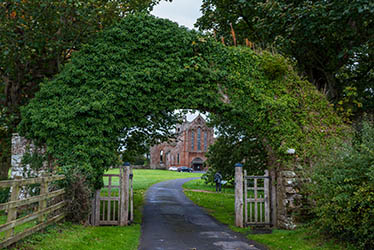
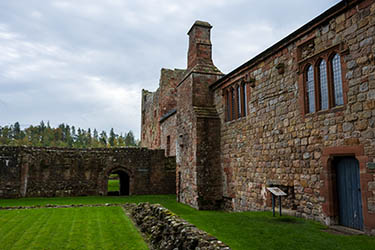
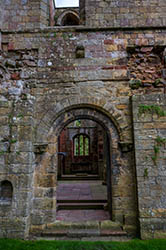
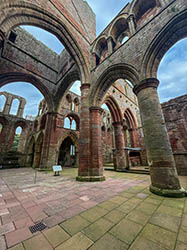
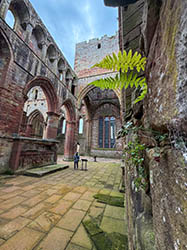
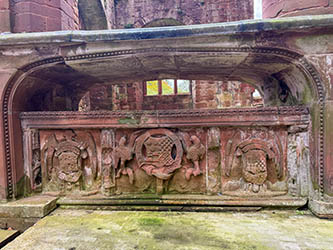
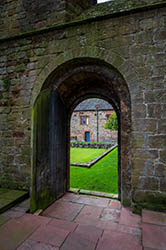
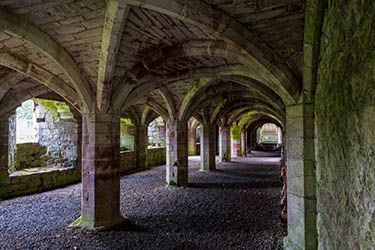
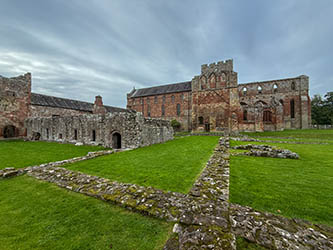
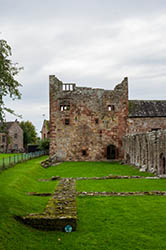
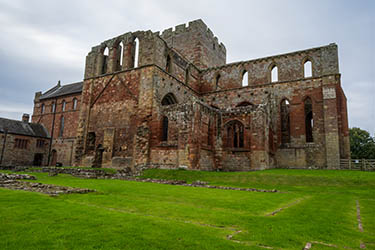
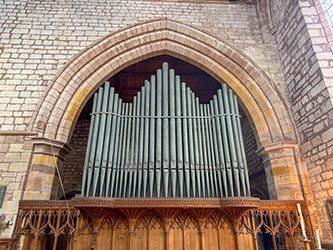
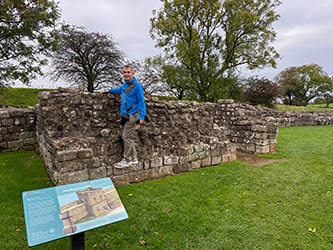
Lanercost Priory was founded by Robert de Vaux between 1165 and 1174, the most likely date being 1169, to house Augustinian canons. The priory is situated in the village of Lanercost, Cumbria, England, within sight of Naworth Castle, with which it had close connections. The medieval buildings used many convenient Roman stones from the nearby Hadrian's Wall. Apart from the church, the priory buildings are now ruins, but parts of the church are intact and remain in use. It is now open to the public and in the guardianship of English Heritage.




Friends and family
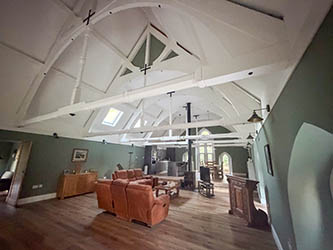
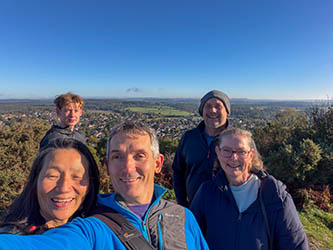
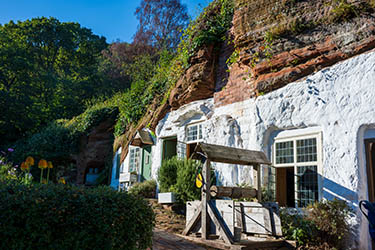
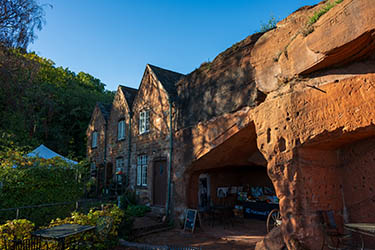
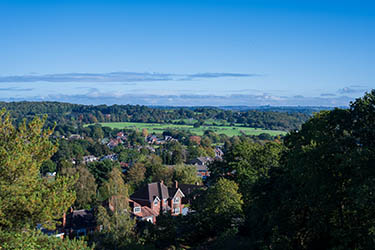
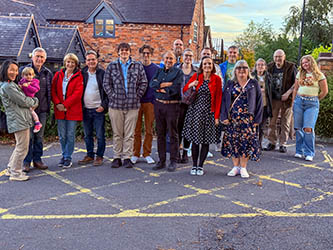
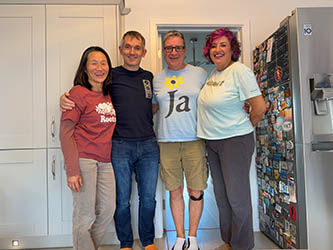
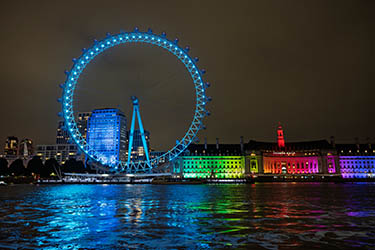
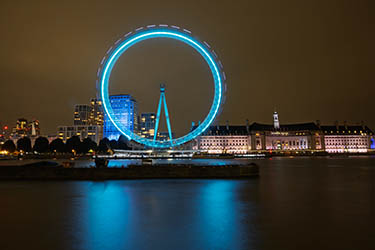
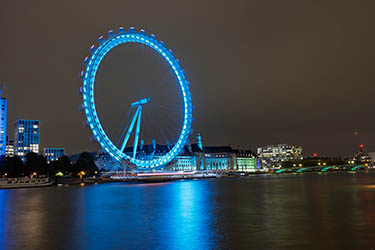
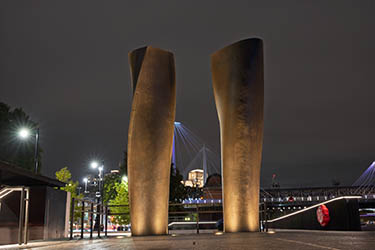
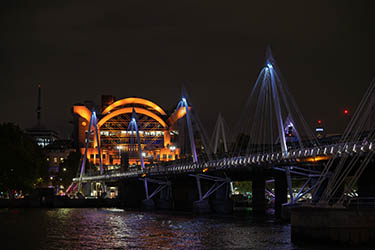
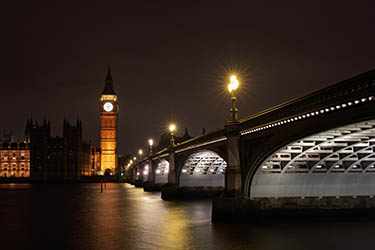
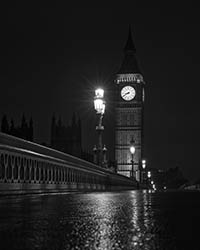
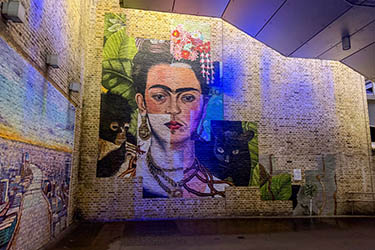
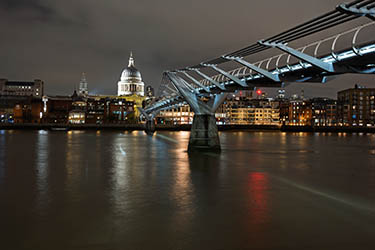
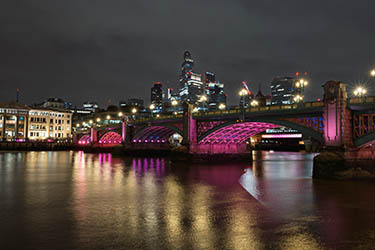
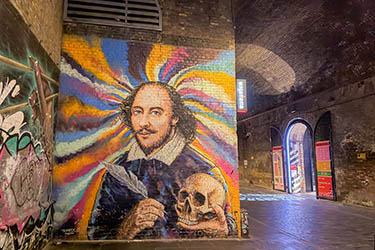
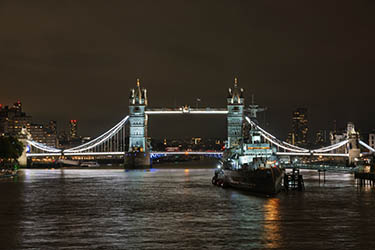
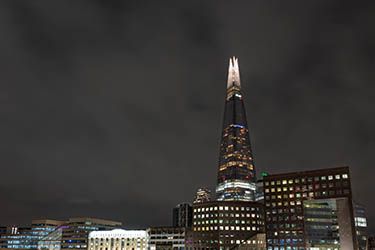
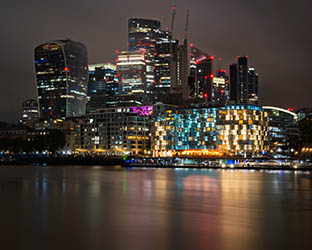
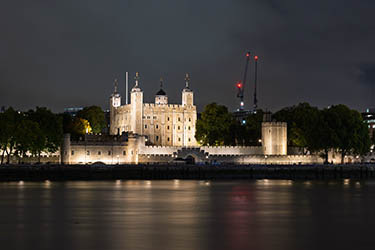
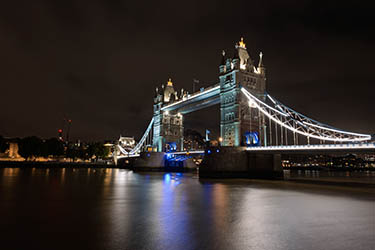
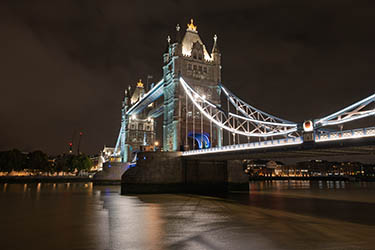
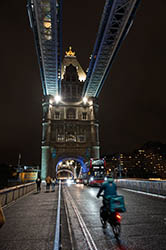
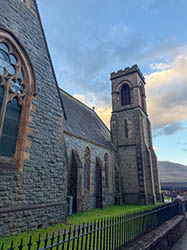
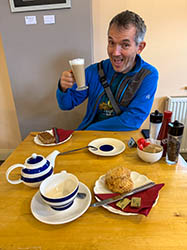
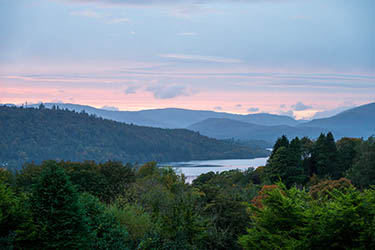
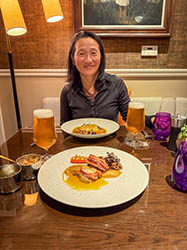
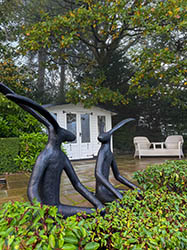
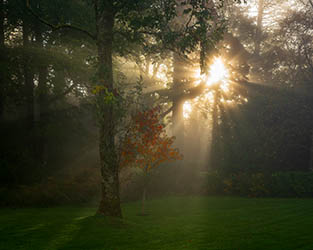
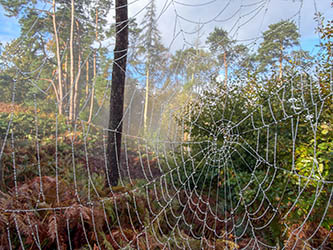
In the last part of our trip we got a few days with friends & family we had a real blast getting to see everyone and catching up. We visited Kinver Edge with Mark and his family, a place that I haven't been in what feels like a lifetime. Stayed in the best place yet with Damians uncle Colin's church where we had a fantastic time talking, drinking, and being taken care of. We got to have a large meal together as a family and it was amazing to see everyone. On the journey towards London we got to see our good friends Nat & Paul in Gloucester. When we got to London Damian, Steve, & Ethan took the train into the city to take some evening photos.